
Closing a Cape May County Shore House for Winter: Softener, UV and RO Care

How to protect a softener, UV system and reverse osmosis filter when you close a Cape May County shore or vacation home, and how to restart them safely.
Read More1,2,3-TCP and EDB in Gloucester County Well Water: Testing and Treatment

What 1,2,3-TCP, EDB and DBCP are, why Gloucester County farm-area wells should test for them, New Jersey limits and testing rules, and whole-house carbon treatment.
Read MoreRoad Salt in Burlington County Well Water: Signs, Testing and Treatment

How winter road salt reaches private wells in Burlington County, the signs, the New Jersey limits for sodium and chloride, how to test, and the treatment that works.
Read MoreOld Farmhouse Wells in Salem County: Shallow and Dug Well Risks, Testing and Treatment

Why shallow, dug and pit wells on older Salem County properties are vulnerable, the warning signs, what to test, and how wellhead repair and UV treatment work together.
Read MoreArsenic in Mercer County Well Water: Testing and Treatment for Hopewell-Area Homes

Why northern Mercer County wells have arsenic, what New Jersey’s 5 ppb standard means, and why the state prefers a whole-house two-tank adsorption system.
Read MoreTea-Colored Well Water in Atlantic County: Tannins, Testing and Treatment
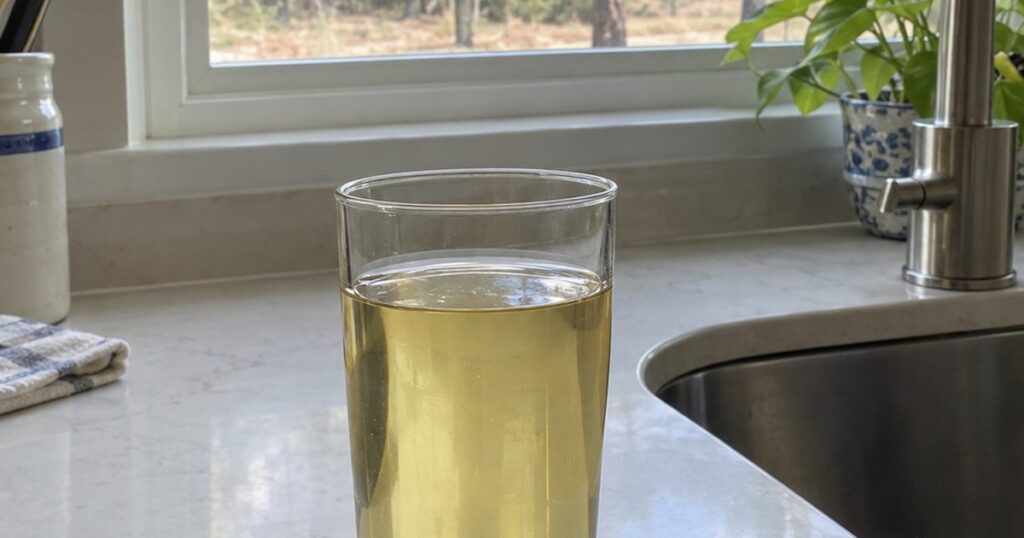
Why Pine Barrens wells in Atlantic County turn tea-colored, how the overnight glass test separates tannins from iron, and which treatment removes tannins.
Read MoreRadium in Camden County Well Water: Gross Alpha Testing and Treatment
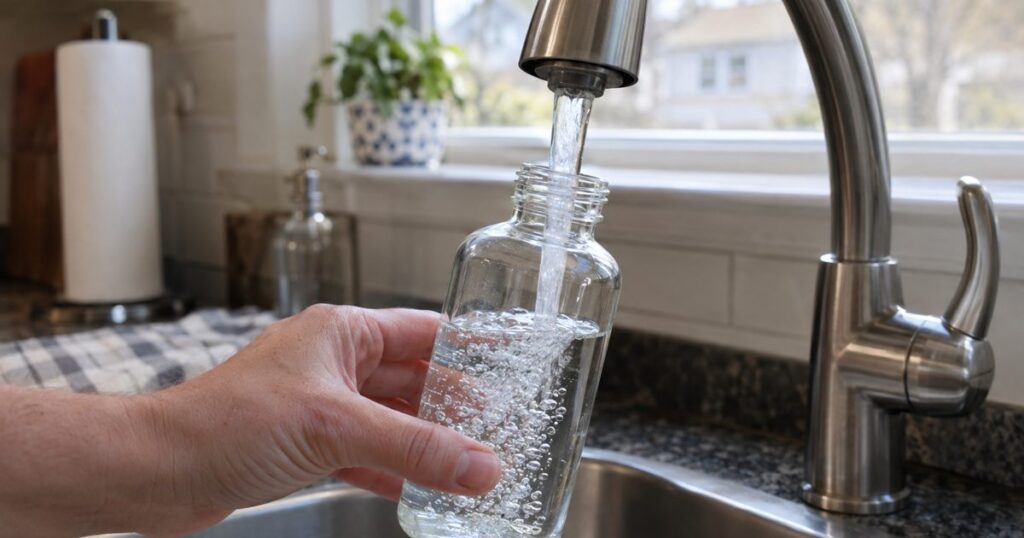
Why radium shows up in Camden County private wells, how to test with the 48-hour gross alpha test, how to read the results, and which treatment works.
Read MoreHard Water in Mercer County, NJ: Softener, Conditioner or Nothing?
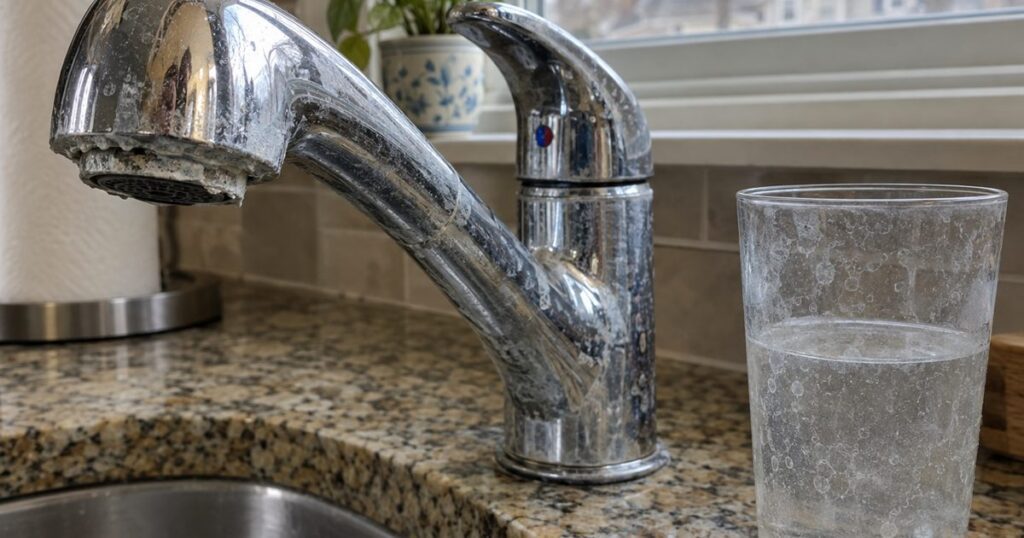
Why water hardness varies across Mercer County, how to test and read the numbers, and how to choose between a softener, a salt-free conditioner or no treatment.
Read MoreHot Water Smells Like Rotten Eggs? Water Heater Anode Rod vs. a Well Problem
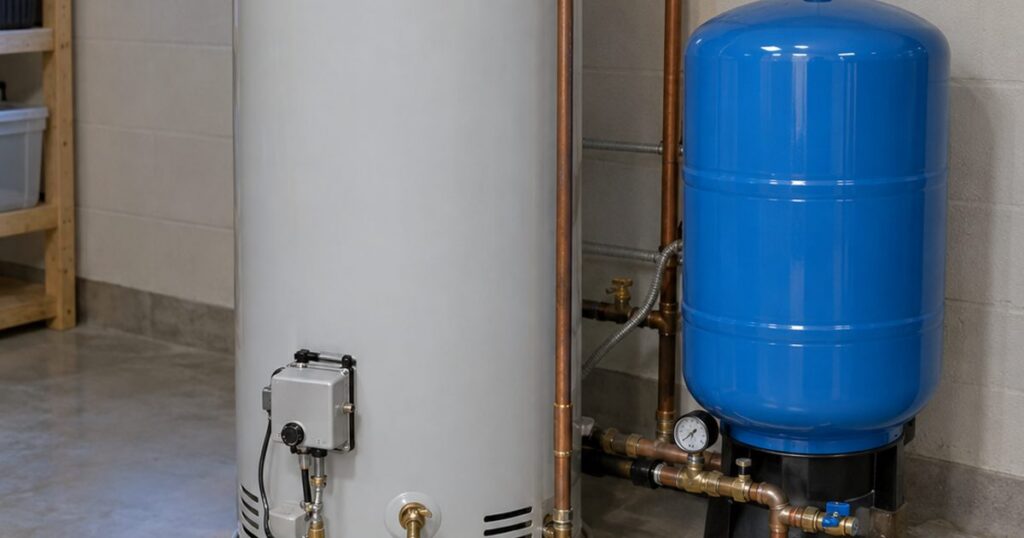
A simple test to tell if a rotten-egg smell comes from your water heater or your well, why anode rods cause it, and how to fix it for good.
Read MoreWell Water After Flooding in Cape May County: Disinfecting, Testing and Next Steps
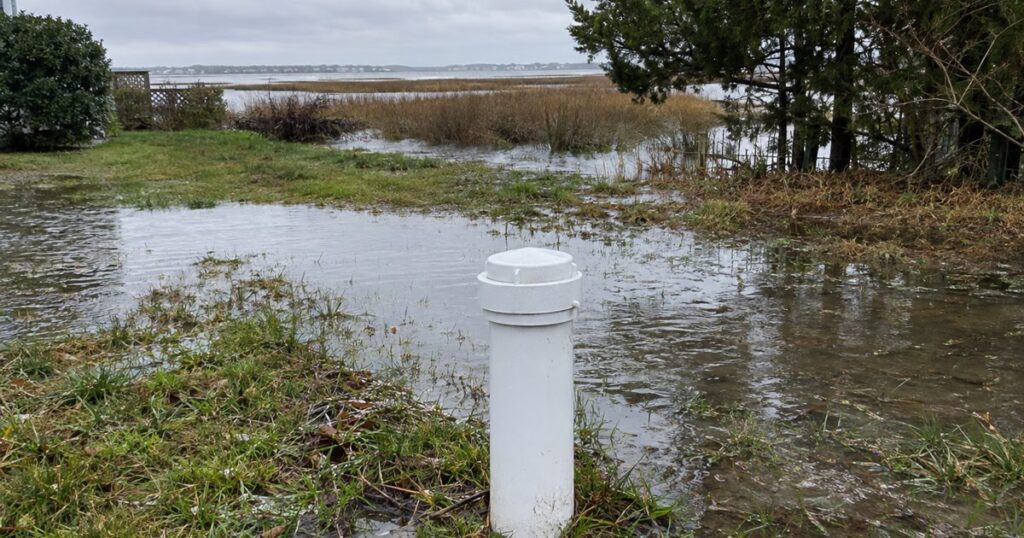
What Cape May County well owners should do after a flood: safe water first, then inspection, shock chlorination, testing for bacteria and salt, and lasting fixes.
Read More