
Lead Service Lines in Older Camden County Homes: Testing and Filters
If you live in an older Camden County home on public water, the biggest possible source of lead in your tap water is the service line, the pipe that runs from the water main under the street into your house. New Jersey law requires water systems to find and replace every lead and galvanized service line by 2031, and to send yearly notices to homes that have one or may have one. Until your line is replaced, you can lower your risk by flushing standing water, using only cold water for drinking and cooking, and using a filter certified to remove lead. A lab test tells you where you stand. A Clear Alternative offers a free in-home water analysis across Camden County. Call 1-888-577-8088.
Why Older Camden County Homes Are at Risk
Much of Camden County was built out long before lead plumbing was banned. Towns like Collingswood, Haddonfield, Haddon Heights, Audubon, Oaklyn, Merchantville, Gloucester City and older parts of Pennsauken and Cherry Hill have many homes built in the early and middle 1900s. The EPA notes that lead pipes are more likely in older cities and in homes built before 1986, and that in homes with a lead service line, that pipe is usually the largest source of lead in the water.

Lead can also come from inside the house: old lead solder on copper pipes, and older brass faucets and valves. Water that sits in these pipes overnight picks up more lead than water that has been running.
What New Jersey’s Lead Service Line Law Requires
In July 2021, New Jersey passed a law requiring community water systems to inventory every service line and replace all lead service lines within 10 years. The NJDEP explains a few points homeowners often miss:
- Galvanized lines count. In New Jersey, galvanized steel service lines are treated as lead service lines and must be replaced too.
- You may get a notice. Water systems must notify homes served by a lead or unknown service line, and send notices every year until the line is replaced.
- The whole line gets replaced. The NJDEP’s replacement FAQ says water systems must replace the full line, not just the street side, and that homeowners who plan their own replacement should coordinate with their water system first.
If you got a notice, read it closely and contact the water system named on it about scheduling. Questions about who pays for what should go to them, since that depends on the system.
How to Check Your Own Service Line
You can often get a good idea by looking at the pipe where it comes through the basement wall or floor, before the water meter.
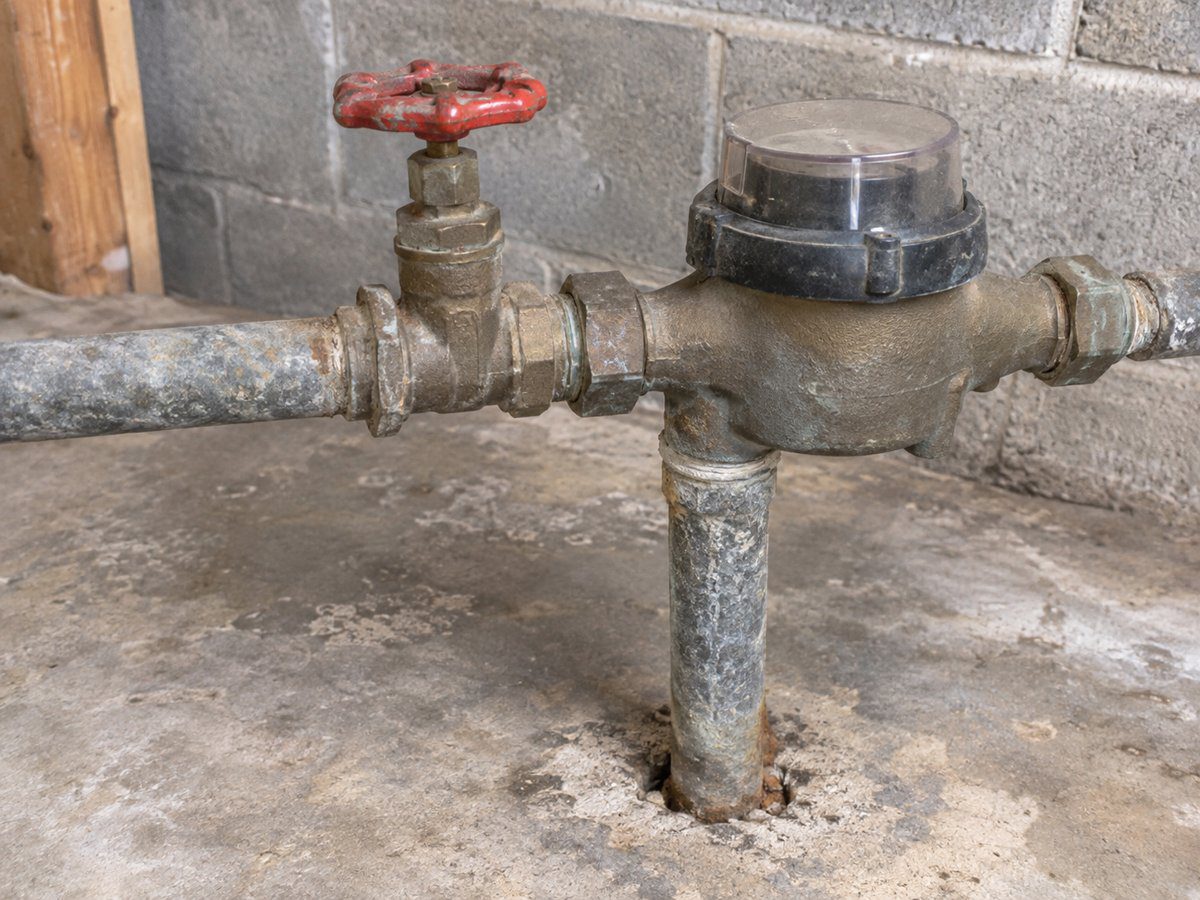
- Lead is dull gray, soft and does not attract a magnet. If you gently scratch it with a key, it shows a shiny silver color.
- Galvanized steel is gray and a strong magnet sticks to it.
- Copper looks like a penny where scratched, and a magnet does not stick.
- Plastic is usually white, black or blue.
Even if the part you can see is copper, the buried section under the yard may not be. Your water system’s inventory is the best record. Many systems let you look up your address or send in a photo of the pipe.
Testing Your Water for Lead
A lab test shows how much lead is actually coming out of your tap. For the most useful result:
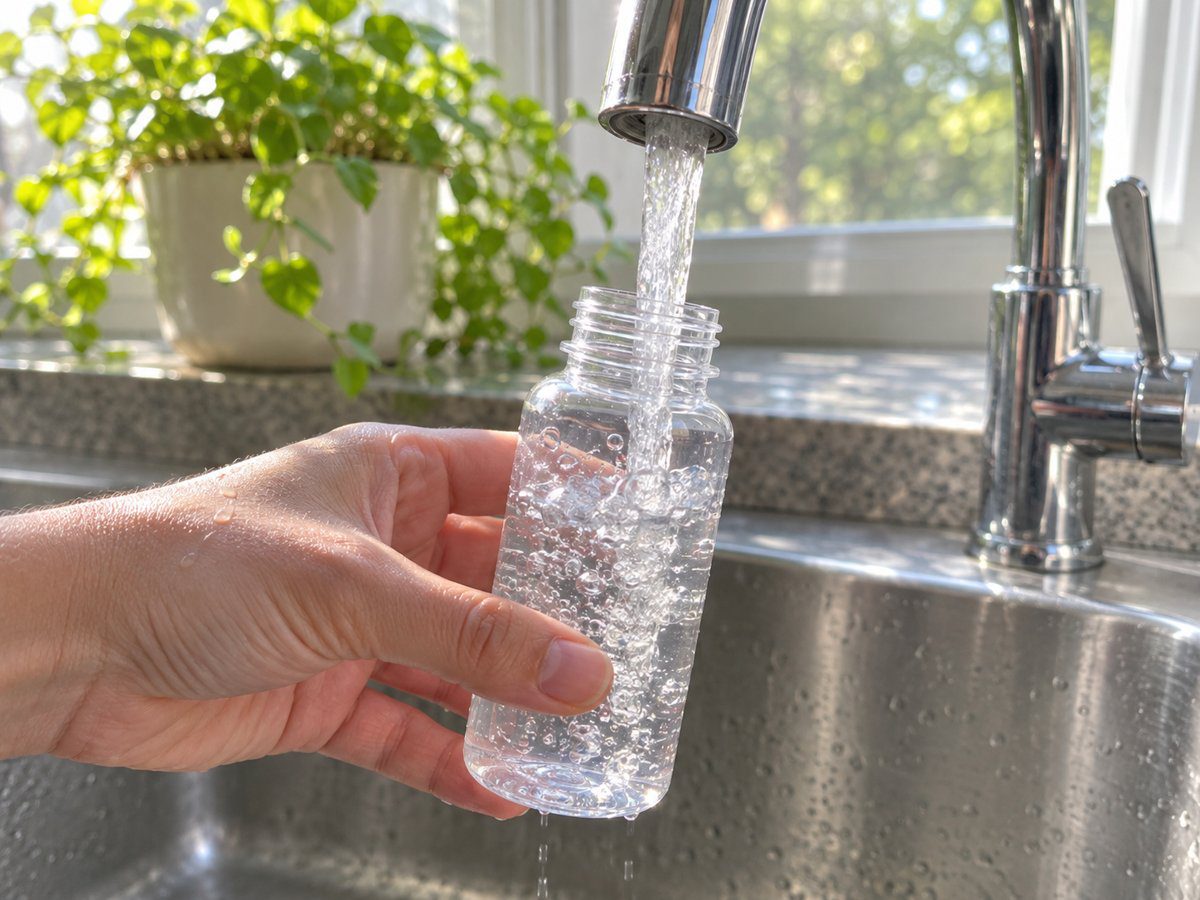
- Take a first-draw sample from the kitchen cold tap after the water has sat unused for at least six hours, usually first thing in the morning.
- Do not run the water or flush toilets before you sample.
- Use a certified lab and follow its bottle and sampling directions.
- If the result shows lead, test again after flushing to see how much comes from standing water in the pipes.
The EPA has set the health goal for lead in drinking water at zero, because there is no known safe level of lead in a child’s blood. Any lead in your result is worth acting on, especially with young children or a pregnant person in the house.
Steps to Lower Lead Until the Line Is Replaced
The EPA recommends these everyday habits:
- Run the water before drinking if it has sat for hours. A shower, a load of laundry or the dishwasher flushes the pipes too.
- Use only cold water for drinking, cooking and baby formula. Boiling does not remove lead.
- Use a filter certified to remove lead, and change the cartridge on schedule. An expired cartridge works less well.
- Clean faucet aerators every few months, since small bits of lead can collect there.
After a service line is replaced, lead levels can rise for a while as the pipes are disturbed. Keep filtering and flushing for several months, and test again.
Filters That Remove Lead
Not every filter removes lead, so look for one certified for lead reduction. Two common choices:
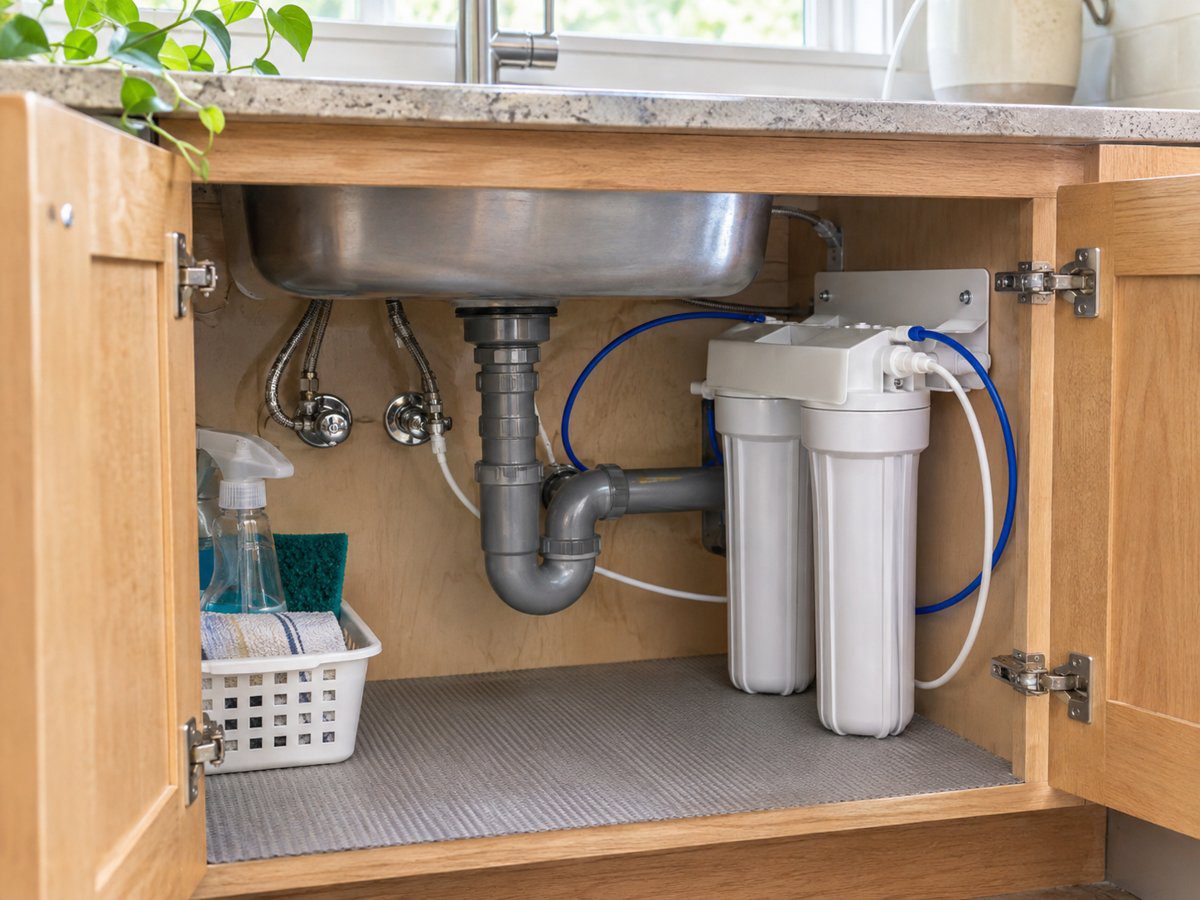
- Under-sink carbon filters certified for lead give you clean water at one faucet for drinking and cooking.
- Reverse osmosis systems at the kitchen sink remove lead along with many other contaminants, and are a good fit if your test showed other problems too.
A whole-house filter is usually not the first choice for lead, since the goal is safe water where you drink and cook. Our guide to the best under-sink filters for lead compares options, and our water treatment page covers the full lineup.
Renting, Buying or Selling an Older Home
If you rent, ask your landlord whether the building has a lead or unknown service line. New Jersey requires water systems to notify renters as well as owners. If you are buying an older home, ask the seller for any service line notice and check the pipe at the meter during the inspection. If you are selling, a replaced service line and a clean lead test are worth having on hand.
Planning a kitchen or bathroom remodel? It is a good time to replace old galvanized pipe and older brass fixtures inside the house, and to ask your plumber to look at the service line where it enters. Any plumber working on the service line should coordinate with your water system before shutting off the water, as the NJDEP advises. Keep the paperwork from any replacement with your other home records, since a future buyer or inspector will ask about it.
Camden County Homes We Serve
We work with homeowners across Camden County, including Cherry Hill, Pennsauken, Collingswood, Haddonfield, Haddon Township, Haddon Heights, Audubon, Merchantville, Oaklyn, Gloucester City, Voorhees, Gloucester Township and Winslow. Some Camden County homes are on private wells, which have their own concerns; see our guide to radium in Camden County well water. For more on local water, visit our Camden County service area page.
When to Call A Clear Alternative
Call us if you received a lead service line notice, if your home was built before 1986 and you have never tested, or if you want a filter that is certified for lead and sized for your kitchen. A Clear Alternative is a family-run company that has been treating New Jersey water since 1991, right here in Camden County at 9230 Collins Ave in Pennsauken. We will look at your plumbing, explain your options and offer a free in-home water analysis. Call 1-888-577-8088.
Frequently Asked Questions
How do I know if my Camden County home has a lead service line?
Check the pipe where it enters your home before the meter, look for a notice from your water system, and ask your water system for its service line inventory for your address.
Are galvanized service lines a problem in New Jersey?
Yes. New Jersey treats galvanized service lines as lead service lines, and they must be replaced as well.
When will lead service lines be replaced?
New Jersey's 2021 law requires community water systems to replace all lead service lines within 10 years. Contact your water system about your home's schedule.
Does boiling water remove lead?
No. Boiling does not remove lead. Use cold water for drinking and cooking, and use a filter certified to remove lead.
What filter removes lead from drinking water?
Look for an under-sink filter or reverse osmosis system certified for lead reduction, and replace cartridges on schedule.
Questions about your water? Talk to A Clear Alternative.
Call 1-888-577-8088 for a free in-home water analysis.
Email Liz@aclear.com · Website aclear.com
Family-run since 1991 · 9230 Collins Ave, Pennsauken NJ 08110