
PFAS in Monmouth County Well Water: Testing and Treatment
PFAS, often called “forever chemicals,” can turn up in private wells anywhere in New Jersey, including Monmouth County, and the only way to know about your well is a test from a certified lab. New Jersey’s drinking water limits are 14 parts per trillion for PFOA, 13 for PFOS and 13 for PFNA, and the federal limit for PFOA and PFOS is 4 parts per trillion. If your well is over a limit, whole-house granular activated carbon or an under-sink reverse osmosis system can reduce PFAS. Boiling does not remove them. A Clear Alternative offers a free in-home water analysis for Monmouth County homes and designs treatment around your lab results. Call 1-888-577-8088.
What PFAS Are and Why They Matter
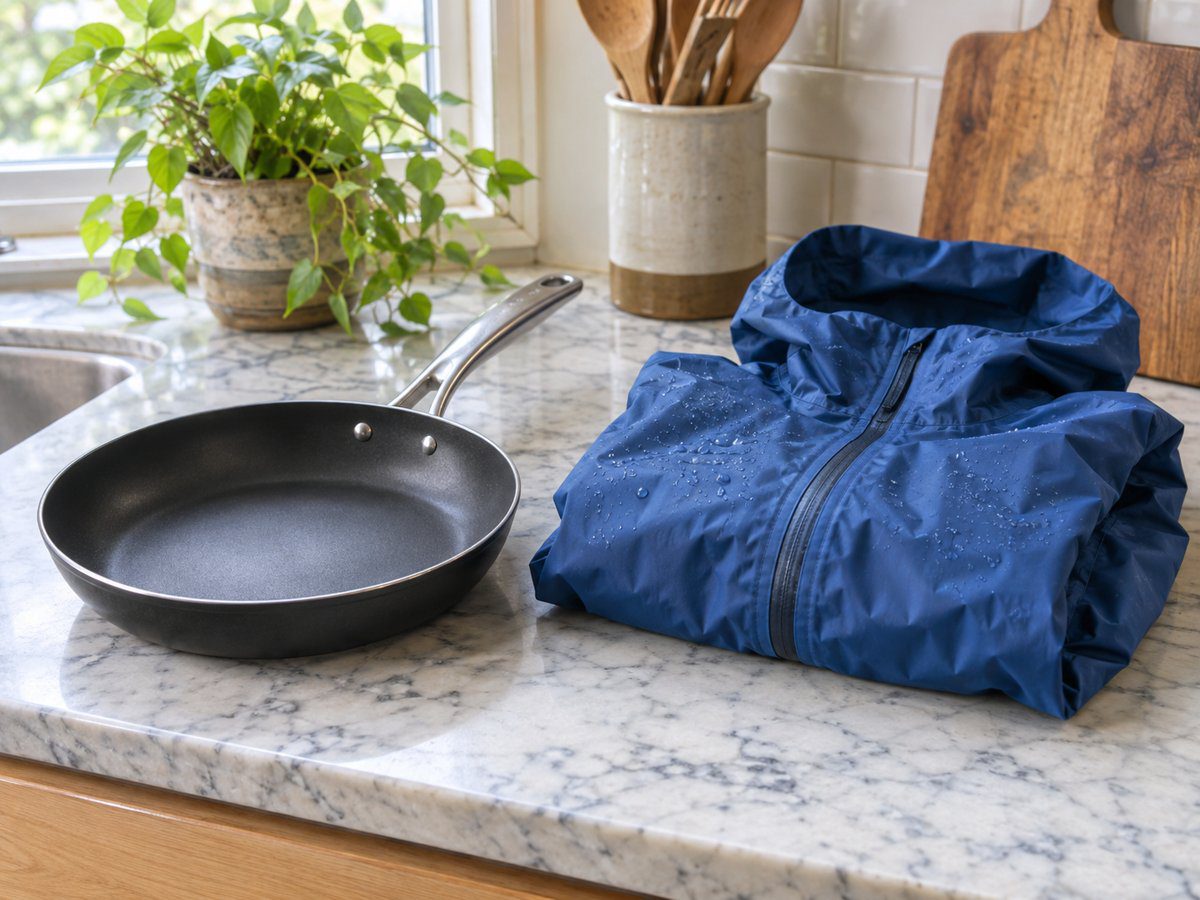
PFAS (per- and polyfluoroalkyl substances) are man-made chemicals used since the 1940s in nonstick coatings, stain- and water-resistant products and some firefighting foams. The New Jersey Department of Health explains that many do not break down in the environment, which is why they are called forever chemicals, and that even low levels in drinking water can build up in the body over time.
The same fact sheet lists the most consistent health findings for PFOA and PFOS: higher cholesterol, lower birth weight, kidney and testicular cancer, a weaker response to vaccines and changes in liver enzymes. Infants and children drink more water for their size than adults, so their exposure can be higher. If you have health questions about a result, talk with your doctor.
How Common PFAS Are in New Jersey Wells
New Jersey tests a lot of private wells for PFAS because of home sales. The Department of Health reports that from December 2021 through 2023, almost 16,000 wells were tested for PFOA, PFOS and PFNA during real estate transfers, and 11.2% had at least one PFAS above a New Jersey drinking water standard. The department notes PFAS have been found in private wells statewide.

Results vary from street to street, so a neighbor’s clean test does not clear your well, and a neighbor’s high result is a strong reason to test yours. The state’s interactive Private Well Testing Act maps show results by 2×2-mile grid, which can give you a sense of your area.
The Limits: New Jersey and Federal
New Jersey set its own limits before the federal government did. According to the NJDEP, the state maximum contaminant levels are 13 ng/L (parts per trillion) for PFNA, 14 for PFOA and 13 for PFOS.
In April 2024 the EPA finalized national limits, including 4 parts per trillion for PFOA and PFOS. The NJDEP’s PFAS FAQ notes that in May 2025 the EPA announced plans to keep the PFOA and PFOS limits and rescind the others, and that the 2024 rule stays in effect until a new one is finalized. These limits apply to public water systems. Private wells are not regulated the same way, so the decision to test and treat is yours.
Testing Your Monmouth County Well
Since December 1, 2021, the Private Well Testing Act has required PFOA, PFOS and PFNA testing when a home with a well is sold, and landlords must test every five years. The NJDEP says sale tests now also include GenX chemicals, PFBS and PFHxS. If you have lived in your home since before 2021, your well may never have been tested for PFAS.
How to Get a Good Sample
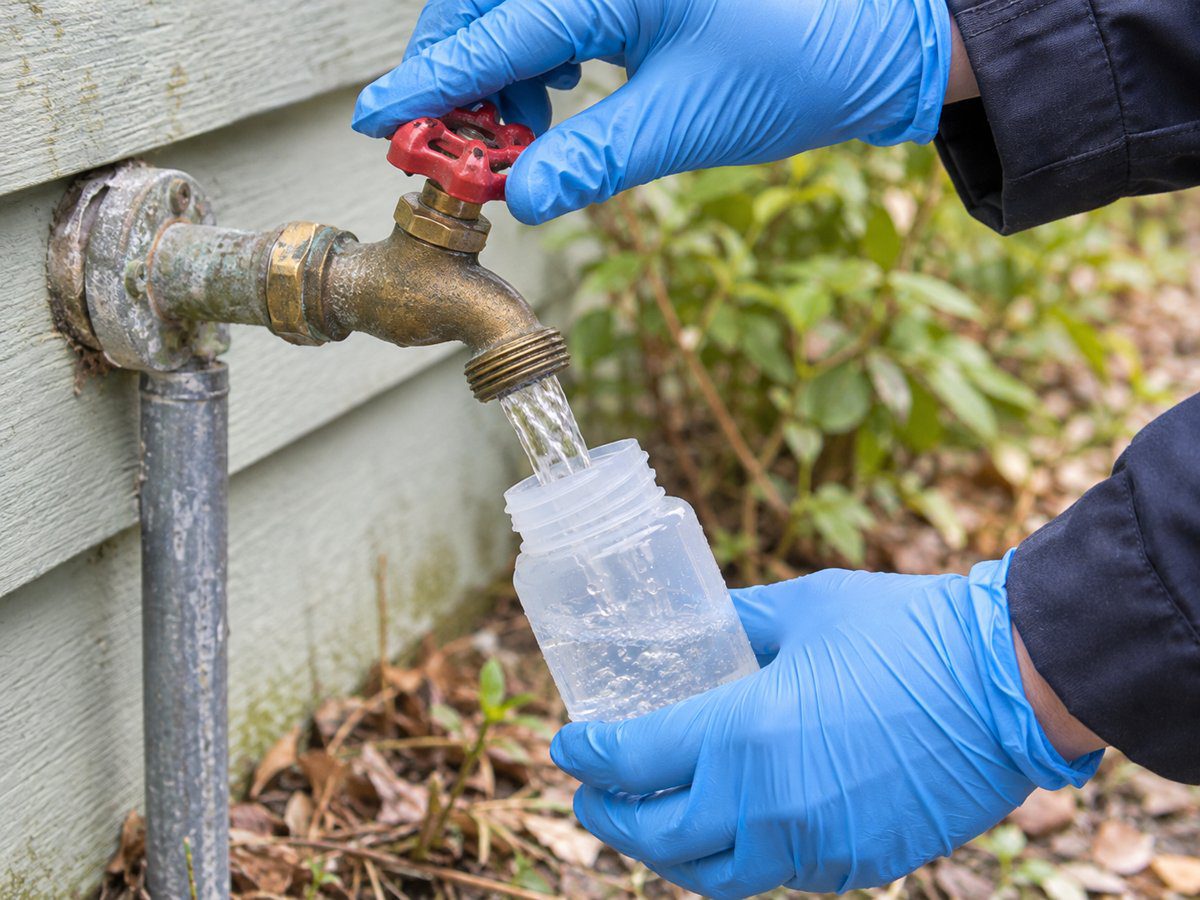
- Use a New Jersey certified laboratory. The Department of Health recommends one and points to the NJDEP list of labs certified for well sampling.
- Ask for the PFAS panel that matches the state sale test, plus a full panel: bacteria, nitrate, pH, iron, manganese, lead, arsenic and gross alpha.
- Sample raw water, from a tap before any filter or softener, so you see what the well itself produces.
- If you already have treatment, sample after it too. The NJDEP recommends a second sample at the kitchen tap to confirm a system is working.
PFAS testing uses special bottles and careful handling, so let the lab’s sampler collect it if you can.
Treatment That Reduces PFAS
The NJDEP lists granular carbon filters, reverse osmosis, ion exchange resins and other specialized media as technologies that can reduce PFAS. It also cautions that NSF-certified products are certified to reduce PFOA and PFOS below 20 parts per trillion, not to New Jersey’s lower limits, and that water conditions and maintenance affect how well any system works. That is why follow-up testing matters.
Whole-House Granular Activated Carbon
A point-of-entry carbon system treats every tap in the house. It is sized to your water use and PFAS levels, often with two tanks in a row so the second catches anything the first lets through as it wears out. Carbon also helps with taste, odor and some other organic chemicals. Learn more in our whole-house carbon filter guide.
Under-Sink Reverse Osmosis
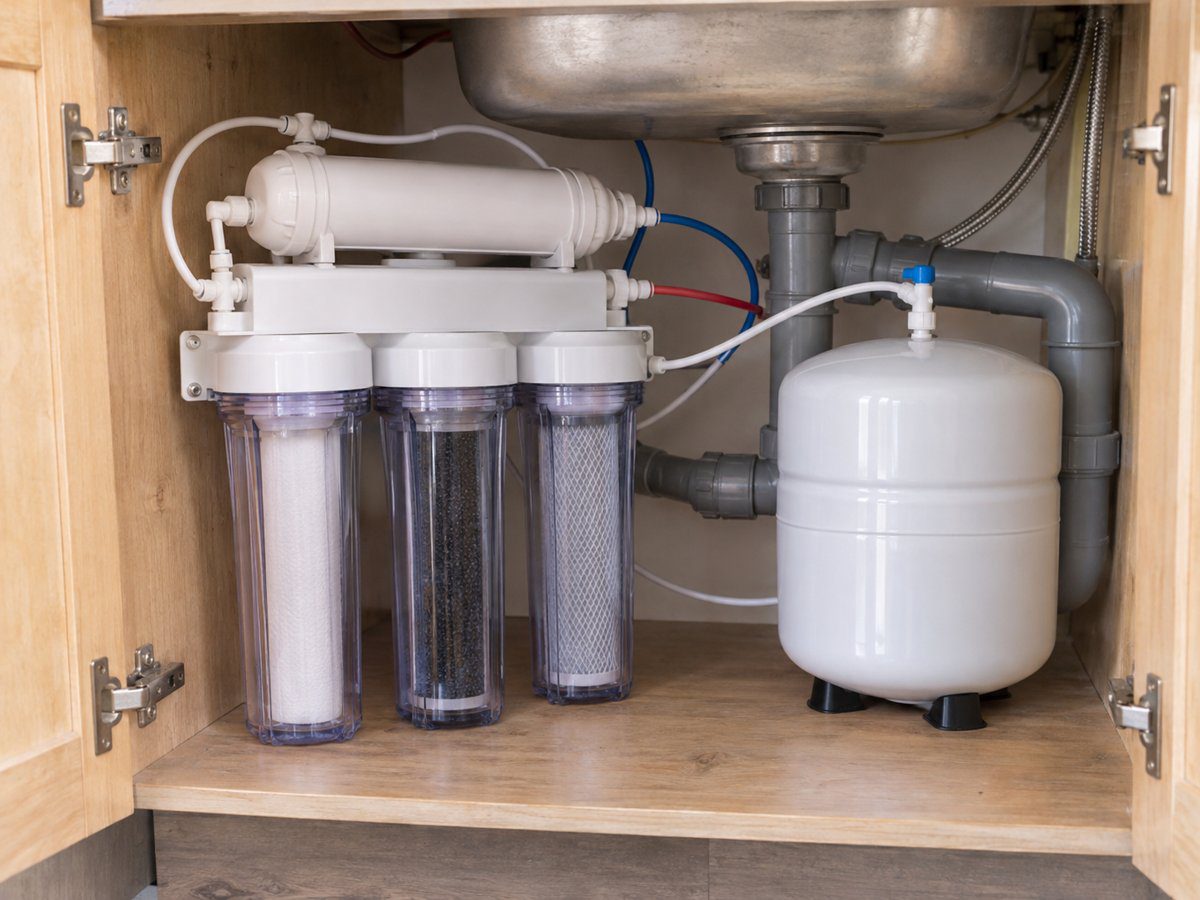
The NJDEP says exposure through showering, bathing, laundry and dishwashing is not significant, so many homes focus on drinking and cooking water. An under-sink reverse osmosis system does that well and also lowers nitrate, lead and many other contaminants. See our reverse osmosis guide.
Treat the Whole Report
Monmouth County wells can also have nitrate, low pH or iron, and those affect how PFAS treatment is set up. Our Monmouth County nitrate guide covers one of the most common issues.
Keeping Treatment Working
PFAS treatment is not set-and-forget. Carbon has a limited life, and reverse osmosis membranes and prefilters need replacing on schedule. Test treated water after installation and then on a regular schedule, and keep every lab report together. If a follow-up result starts creeping up, it is time to change media before levels break through.
Monmouth County Wells We Serve
Many western Monmouth County homes still rely on private wells, including in Millstone, Upper Freehold, Colts Neck, Holmdel, Manalapan, Marlboro, Freehold Township, Howell and Wall. We test and treat wells across the county. Visit our Monmouth County service area page for more on local water.
State Help for Affected Wells
The Department of Health notes that when PFAS are found above the state’s financial relief criteria, the NJ Spill Compensation Fund may cover some testing, treatment and maintenance for eligible homeowners. Your local health department can tell you more. We are happy to review your results with you either way.
PFAS and Home Sales
If you are selling a Monmouth County home with a well, the sale test will include PFAS. Testing early, before you list, gives you time to install treatment and collect a clean follow-up result without a closing date hanging over you. Keep in mind that the sale test is always taken from raw water, even if treatment is installed, so buyers will see the untreated result alongside your treated-water results.
If you are buying, read the PFAS section of the report closely and compare each number to the state limit, not just the pass or fail summary. If the house already has treatment, ask for maintenance records and the date the carbon or membrane was last changed. A free in-home water analysis can help you understand what the home will need.
When to Call A Clear Alternative
Call us if a PFAS test came back over a limit, if your well has never been tested for PFAS, or if you want a second opinion on a sale report. A Clear Alternative is a family-run company that has been treating New Jersey water since 1991, from 9230 Collins Ave in Pennsauken. We will review your lab results, test what we can in your home for free, and recommend treatment sized to your well. See all our options on the water treatment page, or call 1-888-577-8088.
Frequently Asked Questions
What are New Jersey's limits for PFAS in drinking water?
14 parts per trillion for PFOA, 13 for PFOS and 13 for PFNA. The federal limit for PFOA and PFOS is 4 parts per trillion.
Does boiling water remove PFAS?
No. The NJDEP says PFAS are not removed by boiling.
Is it safe to shower if my well has PFAS?
The NJDEP says exposure from showering, bathing, laundry and dishwashing is not significant. The main concern is water you drink and cook with.
Was my well tested for PFAS when I bought my house?
If you closed on or after December 1, 2021, the Private Well Testing Act required PFOA, PFOS and PFNA testing. Check your sale report. Earlier purchases did not include PFAS.
What removes PFAS from well water?
Granular activated carbon, reverse osmosis and ion exchange can reduce PFAS. Follow-up testing confirms the system is working.
Questions about your water? Talk to A Clear Alternative.
Call 1-888-577-8088 for a free in-home water analysis.
Email Liz@aclear.com · Website aclear.com
Family-run since 1991 · 9230 Collins Ave, Pennsauken NJ 08110